If you want a town center that makes daily life feel simpler, Winchester Town Center stands out. You can grab coffee, run errands, catch the train, and spend time outdoors without covering much ground. For buyers considering Winchester, this area offers a clear picture of what everyday living can look like near the heart of town. Let’s dive in.
Why Winchester Town Center Feels Distinct
Winchester Town Center is the town’s historic civic and commercial core. Downtown Winchester is also recognized as a Cultural District, and the newer Main Street Mixed-Use District was designed to support a walkable, livable setting that connects the business district with nearby residential areas.
In practical terms, that means the center feels more like a compact village core than a spread-out commercial strip. Shops, restaurants, transit, and public spaces are clustered close together, which can make your daily routine feel more efficient and more connected to the town itself.
The area also reflects Winchester’s history. Town materials place early public offices and commerce around Mill Pond, which became the community’s commercial, social, and religious center and was later recognized as a National Register Historic District.
Daily Errands Are Close By
One of the biggest draws of living near Winchester Town Center is convenience. Everyday stops are concentrated in a relatively small area, so simple tasks can often be combined into one trip.
Coffee and breakfast options in or near the center include Caffè Nero at 547 Main Street and Caffè Ducali at 959 Main Street. If you like having familiar places built into your week, these kinds of nearby stops can shape a steady daily rhythm.
Dining options are also broad for a town center of this size. Local spots include Eleni’s Mediterranean Grille, Toscano’s Italian Kitchen, and First House Pub, while downtown listings also place A Tavola, Karma Asian Fusion, and Ristorante Serena in the mix.
The concentration is part of the appeal. Station-area materials list places like Black Horse Tavern, Book Ends, A Tavola, Lucia Ristorante, and Studio on the Common within a half mile of Winchester Center Station, which gives you a good sense of how much is packed into the center.
Transit Access Adds Flexibility
For many buyers, transit access is a major part of everyday livability. Winchester Center Station, located at 29 Waterfield Road on the Lowell Line, offers inbound and outbound service to North Station.
Current station materials also describe major improvements, including accessible platforms, elevators, lighting, and wayfinding. Those updates matter because they can make the station easier to use for a wider range of riders and day-to-day schedules.
If you are trying to picture a car-light lifestyle, the town center is one of the clearest places in Winchester to do that. You still may rely on a car at times, but the center is more pedestrian-oriented than many surrounding areas.
Parking Is Managed, Not Unlimited
It is also important to understand the parking setup around the center. Winchester runs a Town Center parking plan that includes permits, on-street rules, and pay-by-space lots.
Town transportation materials note that parking restrictions around the center and station areas were created in part to curb all-day commuter parking and preserve access for residents, visitors, and businesses. That is useful context if you are comparing town-center living with more residential parts of Winchester.
In short, the center supports convenience, but it does not function like a place with endless free parking. If you like a more walkable environment, that tradeoff may feel worth it.
Public Spaces Shape Daily Life
Town-center living is not only about shops and restaurants. Public space plays a big role in how the area feels day to day.
The Town Common is the central civic green in the heart of Winchester. The town notes that it was preserved in the 19th century, and it continues to anchor civic life today.
Local history and town archives also connect the Common with seasonal events and Concerts on the Common. That adds another layer to everyday living near the center because public gathering space is part of the routine, not an afterthought.
Mill Pond and Center Falls add another recognizable feature nearby. Through the fish ladder and water-focused setting, this area helps give the center a distinct sense of place.
A Cultural District With Local Energy
Downtown Winchester’s Cultural District vision adds to the town-center experience. Town materials describe a setting that includes the Common, the renovated train-station area, public art, events, bookstores, studios, galleries, and a river walk.
For you as a buyer, that means the center is not just functional. It also has an active civic and cultural identity that can make the area feel more engaging over time.
That may matter if you are deciding between a home near the center and one in a quieter part of town. Some buyers want a little more activity within walking distance, while others prefer a more purely residential setting.
How Housing Near the Center Compares
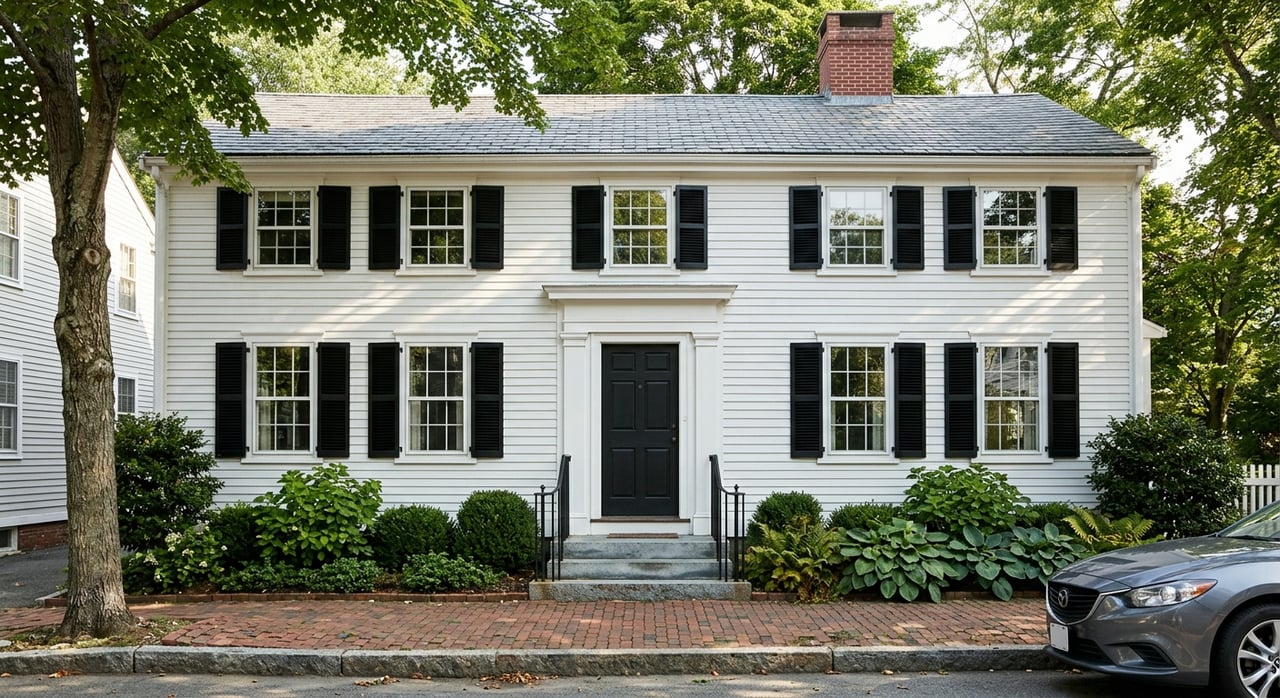
Winchester’s housing stock is varied, and that is part of what makes the market here so interesting. Town history materials highlight a mix that includes Colonial and Federal farmhouses, factory-worker housing, larger historic homes, Depression-era homes, postwar ranches, modern pattern-book houses, and condominium developments.
Around the center, the housing pattern tends to reflect the town’s earlier development. History pages note that many homes near the center were built for businessmen and professionals in the mid-19th century, while later suburban growth spread outward from the core.
Compared with the center, more residential parts of Winchester are generally lower-density and more single-family in feel. Town transportation materials also note that streets without sidewalks are more common in post-1950 neighborhoods west of Cambridge Street.
The current Main Street Mixed-Use District reinforces the contrast. Near the central business district, the pattern supports higher-density mixed-use living, while surrounding areas transition toward lower- and medium-density neighborhoods.
What Everyday Living Can Look Like
If you live around Winchester Town Center, your routine may feel more compact and flexible than it would in other parts of town. You may be able to combine coffee, errands, dining, train access, and time on the Common into the same stretch of your day.
That does not mean every property near the center lives the same way. Housing type, street location, parking arrangements, and your own schedule all shape the experience.
Still, for many buyers, the appeal is easy to understand. You get a historic town center with practical conveniences, transit access, civic space, and a walkable layout that is hard to recreate in a more spread-out setting.
What Buyers Should Weigh
If you are considering a home near Winchester Town Center, it helps to think beyond square footage alone. Lifestyle fit often comes down to how you want your week to function.
A few questions can help:
- Do you want coffee shops, dining, and errands close together?
- Would train access to North Station improve your routine?
- Are you comfortable with managed parking rather than unlimited parking?
- Do you prefer a more active mixed-use setting or a quieter residential block?
- Would you benefit from being close to the Common, Mill Pond, and downtown events?
Those details can have a real impact on how a home feels after move-in. The right location is not just about the house itself. It is also about how your day unfolds once you live there.
For buyers comparing Winchester neighborhoods, this is where local guidance can make a difference. A home near the center offers a different kind of everyday experience than one farther out, and understanding that difference is often key to making a confident decision.
If you are exploring Winchester and want practical guidance on where to focus, Kim Covino & Co can help you evaluate homes, neighborhood fit, and the day-to-day lifestyle that comes with each option.
FAQs
What is Winchester Town Center known for?
- Winchester Town Center is known as the town’s historic civic and commercial core, with a walkable mix of shops, restaurants, public space, and train access.
What dining and coffee options are near Winchester Town Center?
- Options in or near the center include Caffè Nero, Caffè Ducali, Eleni’s Mediterranean Grille, Toscano’s Italian Kitchen, First House Pub, A Tavola, Karma Asian Fusion, and Ristorante Serena.
What transit options are available at Winchester Center Station?
- Winchester Center Station on Waterfield Road serves the Lowell Line with inbound and outbound service to North Station, along with accessible platforms, elevators, lighting, and wayfinding improvements.
What is parking like around Winchester Town Center?
- Parking in the town center is managed through permits, on-street rules, and pay-by-space lots rather than unlimited open parking.
How does housing near Winchester Town Center compare with other parts of Winchester?
- Housing near the center is generally closer to mixed-use areas and earlier historic development, while other parts of Winchester tend to feel lower-density and more single-family in character.
What outdoor spaces are near Winchester Town Center?
- The Town Common and the Mill Pond and Center Falls area are central public spaces near the center, while larger open-space outings include the Town Forest and the Middlesex Fells Reservation.