Wondering what it’s really like to live in Boston’s North End day to day? This neighborhood is famous for its restaurants, history, and waterfront setting, but everyday life here is about more than a weekend dinner reservation. If you are considering a move to the North End, understanding the rhythm of the neighborhood can help you decide whether its walkability, housing stock, and street-level energy fit your lifestyle. Let’s dive in.
North End at a Glance
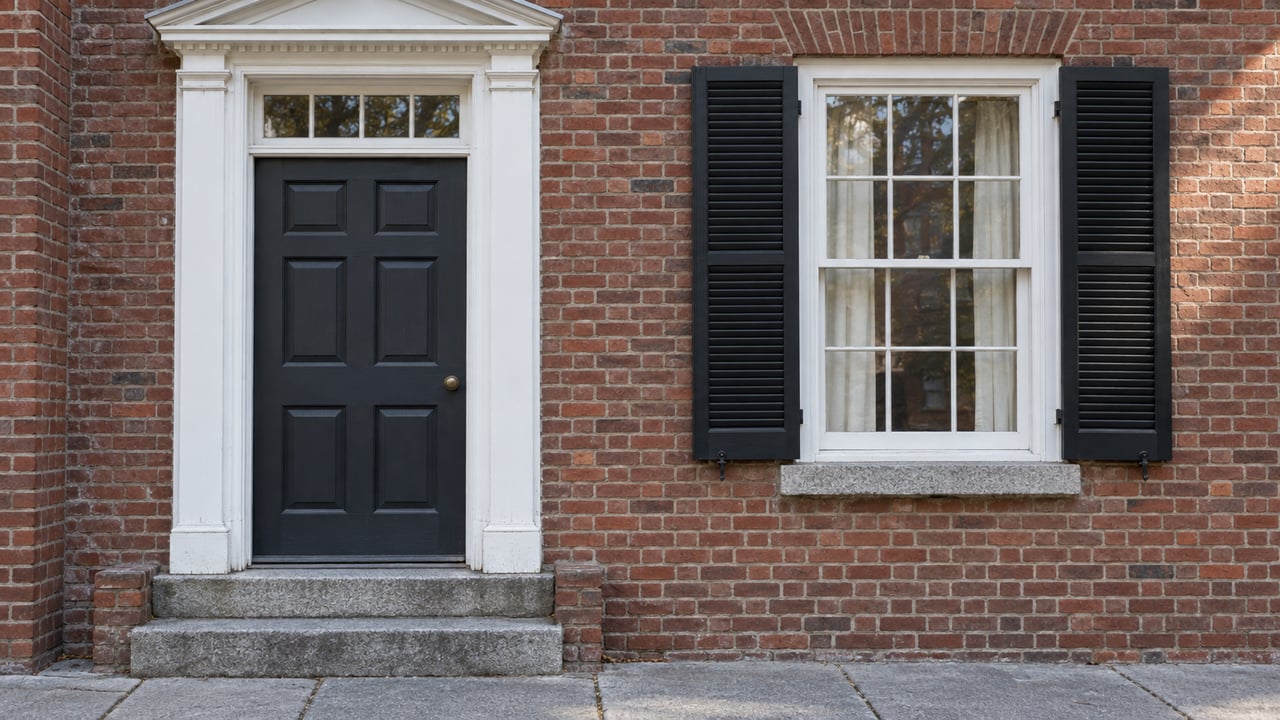
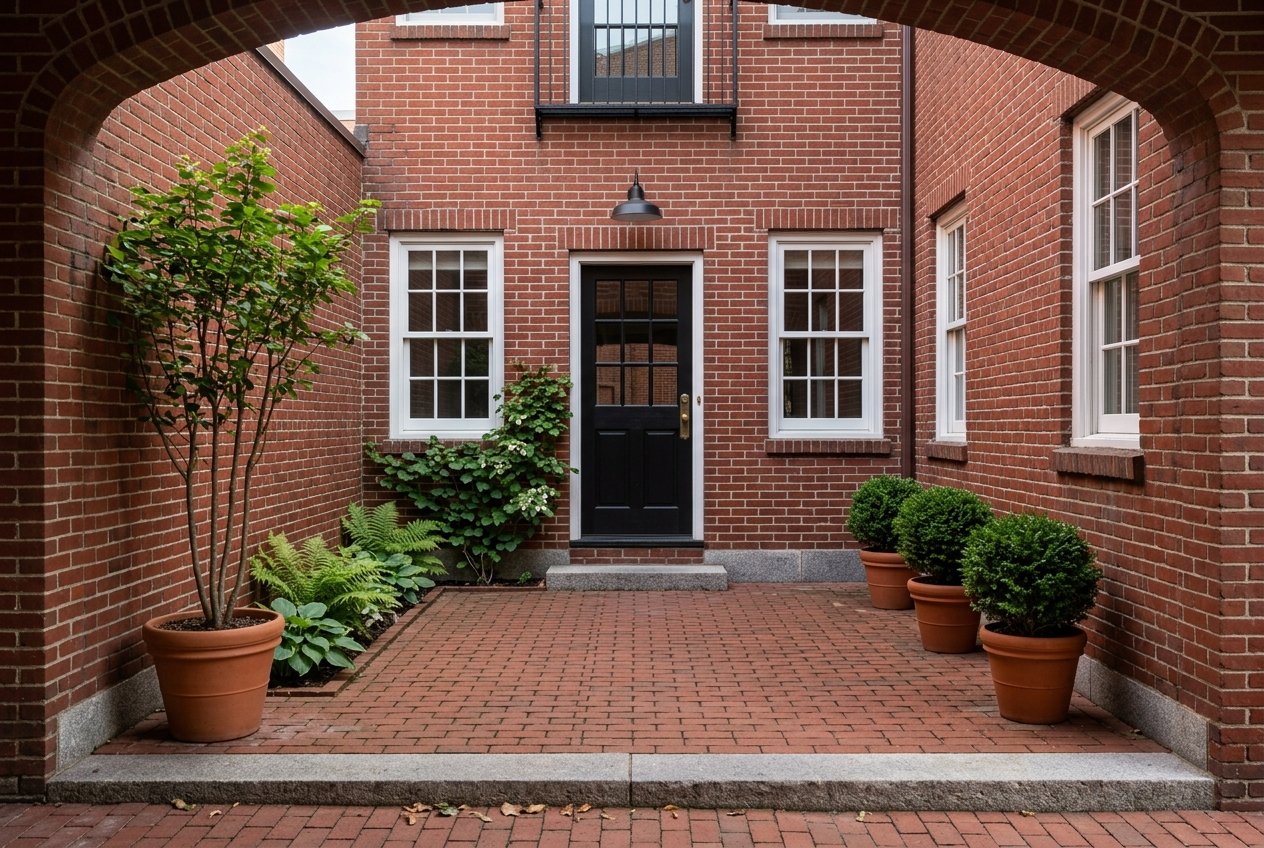
Boston’s North End is the city’s oldest residential community, with roots dating back to the 1630s. Today, it remains a mostly residential, harbor-edge neighborhood known for historic brick apartment buildings, narrow cobblestone streets, and a close connection to Boston’s past.
At the same time, the North End is one of Boston’s most visited neighborhoods. Boston.gov describes it as a hub for the city’s Italian-American community, with Hanover Street and Salem Street serving as the main commercial corridors. That mix of residential living and visitor activity shapes the everyday experience in a big way.
Who Lives in the North End
The North End has an estimated 10,635 residents and 6,286 households in 2025. The population trends point to a dense, urban neighborhood with a strong adult presence rather than a suburban-style household mix.
More than half of residents, 56%, are between ages 18 and 34. The neighborhood is also highly educated, with 80.4% of residents age 25 and older holding a bachelor’s degree or higher. Only 4.6% of households include children under 18, which helps explain why the day-to-day atmosphere feels more geared toward city living than larger household layouts.
Daily Life Feels Walkable and Active
One of the biggest draws of the North End is how easy it is to move through daily life on foot. In 2025, 41.5% of resident workers walked to work, while 15.8% used public transportation and 25.6% worked from home.
For you, that can translate into a lifestyle where errands, dining, and even commuting may not require a car. The North End sits close to downtown Boston, and many residents treat the city core as part of their extended neighborhood.
Streets With Constant Activity
Hanover Street and Salem Street are central to everyday life here. These are the main commercial spines, and they bring a steady stream of foot traffic, restaurants, cafes, and neighborhood businesses.
That energy is part of the appeal, but it also means the North End rarely feels quiet in the same way a lower-density neighborhood might. If you like being in the middle of city life, this can be a major advantage.
Waterfront Space Balances the Density
The North End is not only about restaurant-lined streets. The waterfront plays a meaningful role in daily life, giving residents access to outdoor space and recreation within a dense urban setting.
Boston.gov highlights nearby recreation features such as a skating rink and baseball fields. Boston Planning also notes Mirabella Pool overlooking the harbor, along with bocce courts. Christopher Columbus Waterfront Park and the Harborwalk add to the neighborhood’s everyday outdoor appeal.
Dining and Hospitality Shape the Neighborhood
Food is not just part of the North End’s identity. It is a major part of the local economy. According to Boston Planning, 43.8% of payroll jobs in the neighborhood are in accommodation and food services, and the North End captured 7.5% of citywide restaurant spending in 2025.
In practical terms, that means dining and hospitality are woven into the neighborhood’s rhythm. You are surrounded by restaurants, old-world cafes, and a hospitality scene that attracts both residents and visitors throughout the year.
For some buyers, that creates a vibrant, social environment with plenty of options close to home. For others, it is a reminder that the North End functions as both a residential neighborhood and a citywide destination.
History Is Part of Everyday Surroundings
In many Boston neighborhoods, history is something you visit. In the North End, it is part of the streetscape you move through every day.
Landmarks like Paul Revere House, Old North Church, and Copp’s Hill Burying Ground are located within the neighborhood itself. That gives the North End a built environment that feels both lived-in and visitor-oriented, with architecture and public spaces that constantly reflect the area’s long history.
What Buyers Should Expect From Housing
If you are shopping for a home in the North End, it helps to set expectations early. The housing stock is compact by Boston standards, and the available inventory tends to reflect the neighborhood’s older low-rise built form.
Boston Planning’s 2025 profile reports 6,885 housing units in the North End. Of those, 74.3% are renter-occupied. Unit sizes also skew smaller, with 49.9% of homes offering 0 to 1 bedrooms, 37.2% offering 2 bedrooms, and 12.9% offering 3 or more bedrooms.
Smaller Homes Are Common
For many buyers, the biggest adjustment is space. Smaller units are a defining part of the North End housing mix, and that can affect everything from storage to guest space to work-from-home setups.
If you are comparing the North End to nearby suburbs, you will likely find a different tradeoff here. You may gain walkability, neighborhood character, and access to downtown, but you should expect more compact interiors and less large-format inventory.
Historic Scale Shapes Development
The neighborhood’s built form is also shaped by local zoning protections. Boston Planning’s North End Neighborhood Design Overlay District is intended to protect the area’s scale, pedestrian environment, and concentration of historic buildings.
Residential subdistricts are designed to maintain the neighborhood’s density and housing types, including one-, two-, and three-family dwellings, row houses, town houses, and multifamily dwellings. For buyers, that helps preserve the North End’s character, but it also means the housing stock tends to remain consistent in form and scale.
Parking Requires a Realistic Plan
Parking is one of the most important practical considerations in the North End. The neighborhood’s narrow streets, heavy foot traffic, and strong restaurant presence all contribute to a more limited parking environment.
Boston’s 2025 outdoor dining guidance notes that the city continued its North End policy allowing compliant sidewalk patios but not on-street outdoor dining, citing high restaurant density, narrow streets and sidewalks, foot traffic, and resident parking scarcity. That gives you a clear sense of how constrained curb space can be.
Resident Parking Rules Matter
Resident parking permits in Boston are neighborhood-specific and tied to a specific vehicle and plate. Street parking without a valid permit can lead to ticketing.
If you plan to own a car in the North End, permit rules and day-to-day parking logistics should be part of your housing search from the beginning. In this neighborhood, parking is not an afterthought.
Moving Logistics Need Extra Attention
Move-in planning can also take more coordination than buyers expect. Boston’s moving-truck permit guidance specifically warns people moving to the North End in July and August to call ahead because feast-related road closures may affect permit planning.
That is a small but telling example of everyday life here. The same neighborhood traditions that give the North End its personality can also affect practical details like deliveries, parking, and moving schedules.
Is the North End the Right Fit for You?
The North End can be a strong fit if you value walkability, historic character, waterfront access, and a lively street scene. It offers a version of Boston living where restaurants, public spaces, and downtown access are part of your regular routine.
It may be less ideal if your priority is larger living space, easier parking, or a more car-dependent residential setup. The neighborhood asks you to trade square footage and convenience in some areas for location, energy, and a very distinct sense of place.
For many buyers, that trade is exactly the point. If you go in with clear expectations about housing size, parking, and visitor activity, the North End can offer a highly connected and memorable city lifestyle.
If you are weighing Boston neighborhood options or planning a move in or around Greater Boston, Kim Covino & Co can help you evaluate the fit, understand the tradeoffs, and navigate your next purchase with clear, practical guidance.
FAQs
What is everyday life like in Boston’s North End?
- Everyday life in the North End is dense, walkable, and active, with a mix of residential streets, restaurants, cafes, historic landmarks, and waterfront spaces.
What kind of homes are common in Boston’s North End?
- North End housing is largely made up of smaller units in older low-rise buildings, with nearly half of homes offering 0 to 1 bedrooms.
Is parking difficult in Boston’s North End?
- Parking can be challenging because of narrow streets, high foot traffic, restaurant activity, and limited resident parking availability.
Is Boston’s North End a walkable neighborhood?
- Yes. In 2025, 41.5% of resident workers walked to work, which reflects the neighborhood’s strong walkability and proximity to downtown Boston.
What should buyers know before moving to Boston’s North End?
- Buyers should pay close attention to unit size, parking logistics, and moving-day planning, especially during summer feast season when road closures may affect access.