By Kim Covino & Co
Owning a home in Winchester comes with a steady list of small projects — and the good news is that many of them don't require a contractor. Learning a few basic DIY skills can save you money, help you maintain your home's value, and give you a genuine sense of accomplishment. Whether you're a brand-new homeowner or you've never picked up a power tool, these are the skills that are genuinely easy to learn and immediately useful. Here's where to start.
Key Takeaways
- The easiest DIY projects deliver immediate visual impact with minimal tools and cost
- Starting small builds confidence and the skills needed for bigger projects later
- Many simple upgrades also enhance your home's appeal and perceived value
- Basic safety gear and a small starter toolkit are all you need to begin
Start With Painting
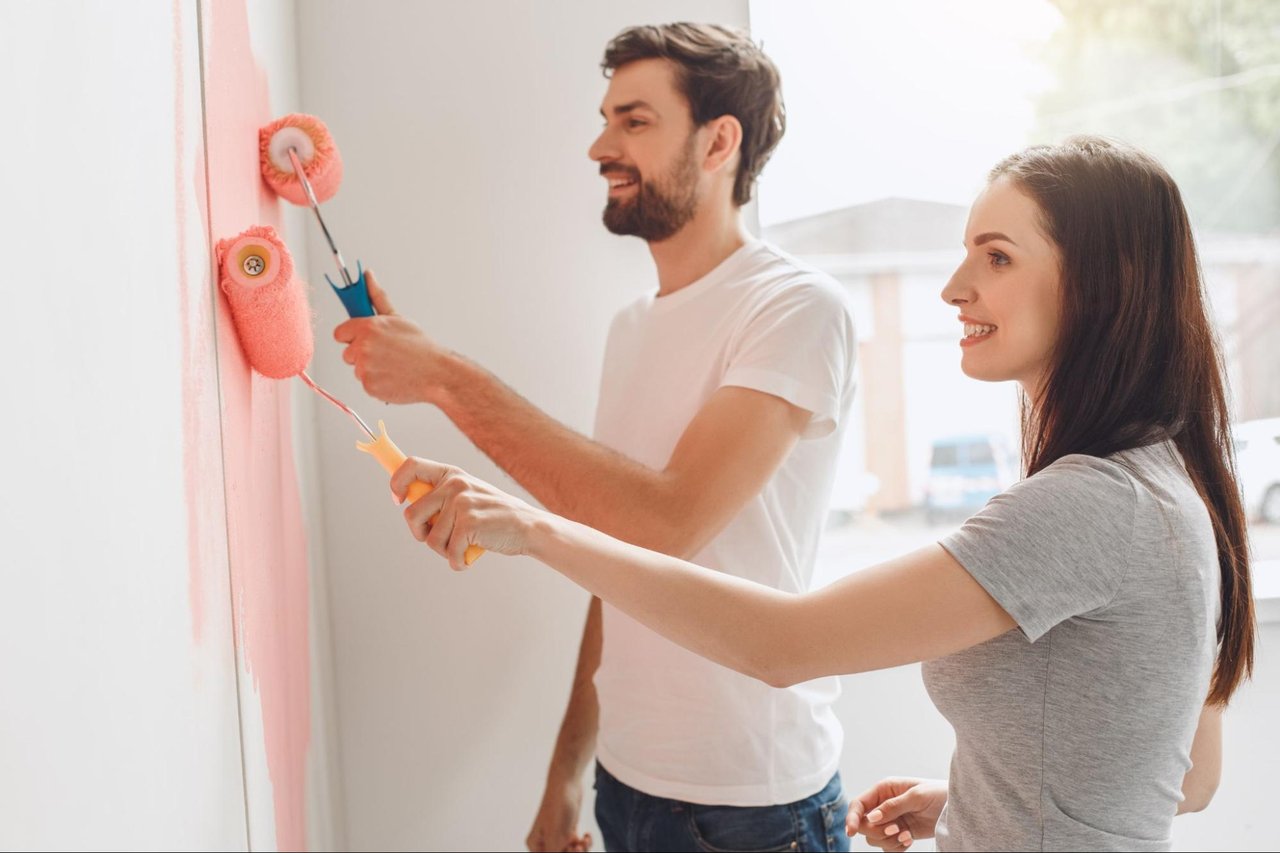
Painting is the quintessential beginner DIY skill — high impact, low cost, and hard to get seriously wrong. A fresh coat of paint transforms a room faster and more affordably than almost any other project, and it's the perfect first skill to build confidence.
Painting Tips for Beginners
How to get professional-looking results:
- Start with an accent wall — painting a single wall is less daunting than a whole room and delivers immediate visual impact
- Invest in prep — clean the walls, use painter's tape for crisp edges, and lay down drop cloths; preparation is what separates amateur from professional results
- Buy quality brushes and rollers — good tools make the job easier and the finish smoother
- Choose the right paint — for a modest budget of $50 to $100 you can refresh an entire room; opt for washable finishes in high-traffic areas
Upgrade Hardware and Fixtures
Swapping out dated hardware is one of the fastest, most satisfying DIY wins available. It requires almost no skill, minimal tools, and delivers a surprisingly big change in how a space feels.
Quick Hardware Wins
Where to focus:
- Cabinet knobs and pulls — replacing dated kitchen or bathroom hardware can refresh the whole room in under an hour with just a screwdriver
- Outlet and switch plate covers — scuffed, worn covers make a home look tired; new ones cost a few dollars and instantly freshen a space
- Light fixtures — swapping a dated flush-mount for something current is manageable for many beginners, though if you're not comfortable working with electrical wiring, this is a good one to hire out
- Faucets and showerheads — updating a showerhead is nearly foolproof and makes a daily difference
Learn Basic Repairs
Beyond cosmetic upgrades, a handful of basic repair skills will save you countless service calls over the years. These are the skills that pay for themselves again and again in a home.
Essential Repair Skills to Build
What every homeowner should know:
- Fixing a leaky faucet — faucets are designed to come apart and go back together relatively easily, making this a great introduction to basic plumbing
- Re-caulking a tub or shower — over time, caulk wears out and collects grime; re-caulking is inexpensive, satisfying, and protects against water damage
- Patching small drywall holes — a basic patch kit and a putty knife handle the nail holes and dings that accumulate over the years
- Fixing a sticking door — learning to adjust a strike plate or plane a door edge teaches useful carpentry basics without a big time commitment
Build Your Confidence With Small Installations
Once you've mastered the basics, simple installation projects are the natural next step — they build real skills while delivering a satisfying sense of accomplishment.
Beginner-Friendly Installations
Projects worth trying:
- Floating shelves — find the studs, use a level, and you'll get a built-in look without custom cabinetry; a great skill-builder
- Peel-and-stick backsplash — a renter-friendly, mess-free way to refresh a kitchen or bathroom that requires only a level and a utility knife
- Smart thermostat — most models are designed for DIY installation with app-based setup, and they add both efficiency and appeal; just turn off the power first
- Weatherstripping — sealing drafty doors and windows is easy, cheap, and pays off in comfort and energy savings, which matters through New England winters
A Few Getting-Started Tips
Before you dive in, a few fundamentals will set you up for success. Start with a basic toolkit — a cordless drill, a tape measure, a level, a stud finder, and a good screwdriver set cover most beginner projects. Pick up essential safety gear too: safety glasses, work gloves, and a dust mask for anything that creates airborne particles. And when you hit something you're unsure about, YouTube is full of step-by-step tutorials that let you study a project before you start. Above all, start small and build up — every project adds to your skills and confidence for the next one.
FAQs
What's the easiest home improvement project for a complete beginner?
Painting an accent wall or swapping out cabinet hardware. Both require minimal tools, cost very little, and deliver immediate, satisfying results — the perfect way to build confidence before moving on to more involved projects.
Which DIY projects should I leave to a professional?
Anything involving major electrical work, plumbing beyond a simple faucet, gas lines, or structural changes should be handled by a licensed professional. There's no shame in knowing your limits — the goal is to safely handle the simple stuff and call in experts for the rest.
Do DIY improvements actually add value to my Winchester home?
Even simple cosmetic upgrades — fresh paint, updated hardware, improved lighting — enhance your home's appeal and perceived value to potential buyers. While small DIY projects won't replace major renovations, a well-maintained, updated home consistently shows better and can help when it's time to sell.
Thinking About Buying or Selling in Winchester?
Whether you're maintaining a home you love or preparing a property for the market, knowing which improvements matter most makes all the difference. At Kim Covino & Co, we know the Winchester market deeply, and we're always happy to share guidance on which updates deliver real value when it's time to sell. We'd love to help you make the most of your home.