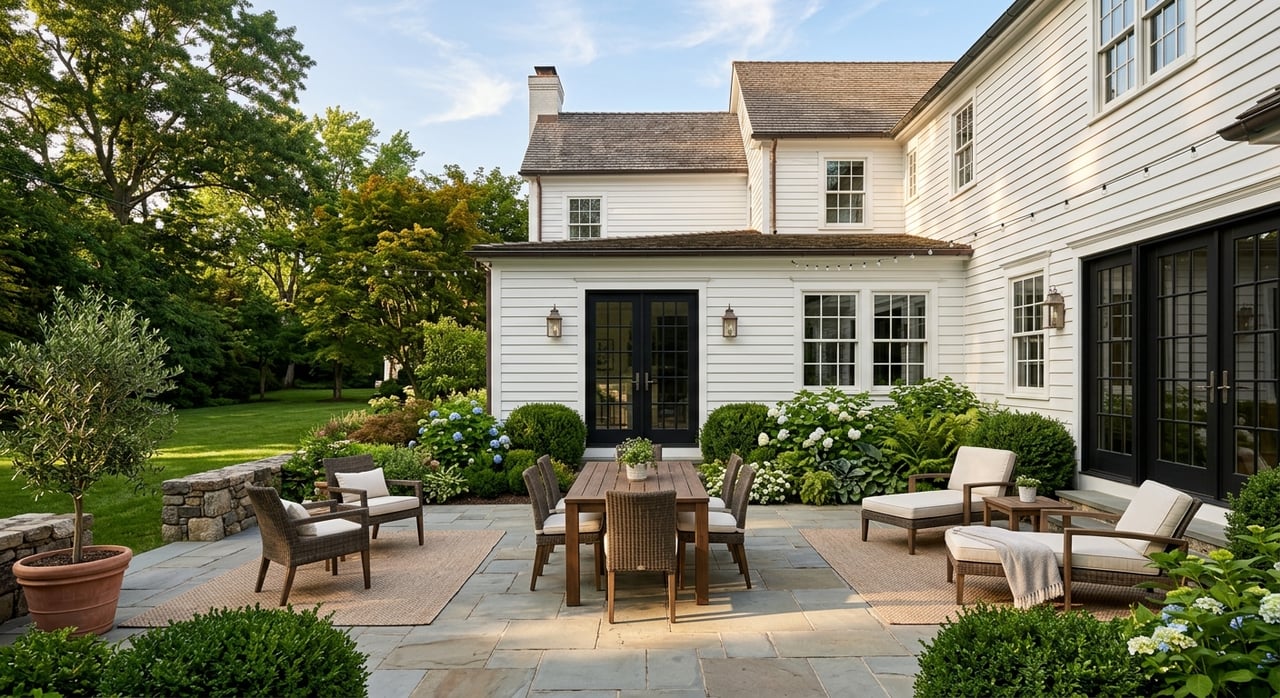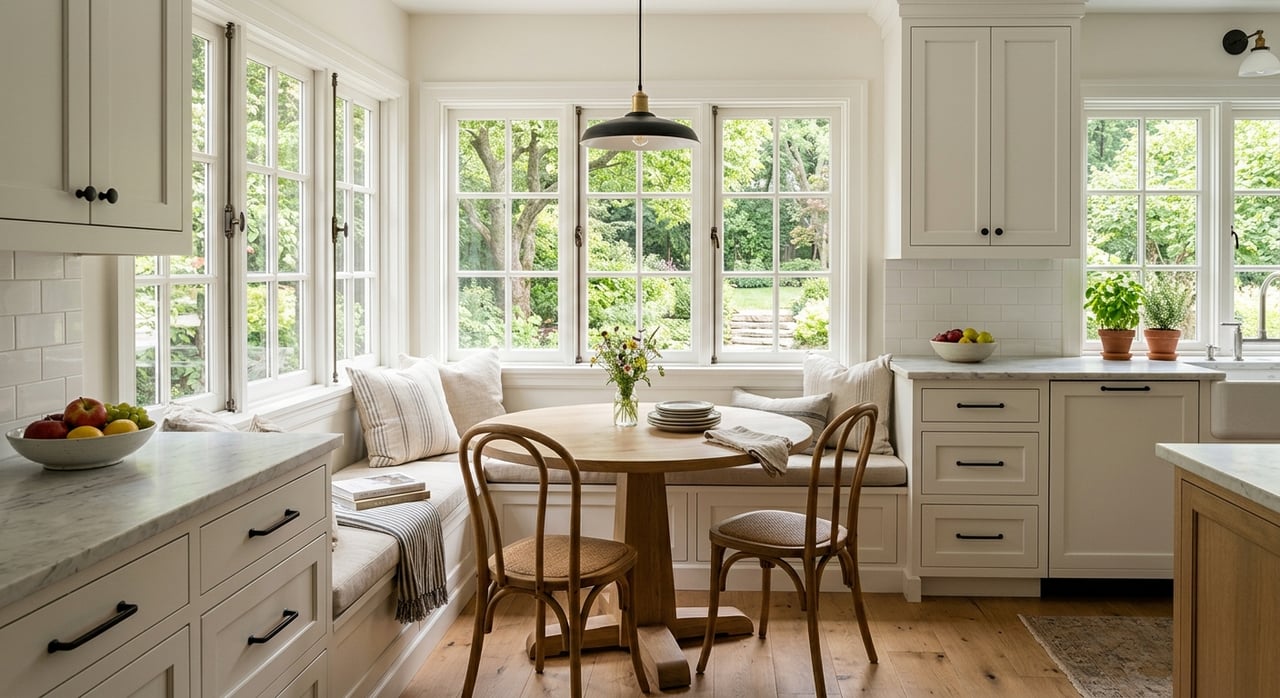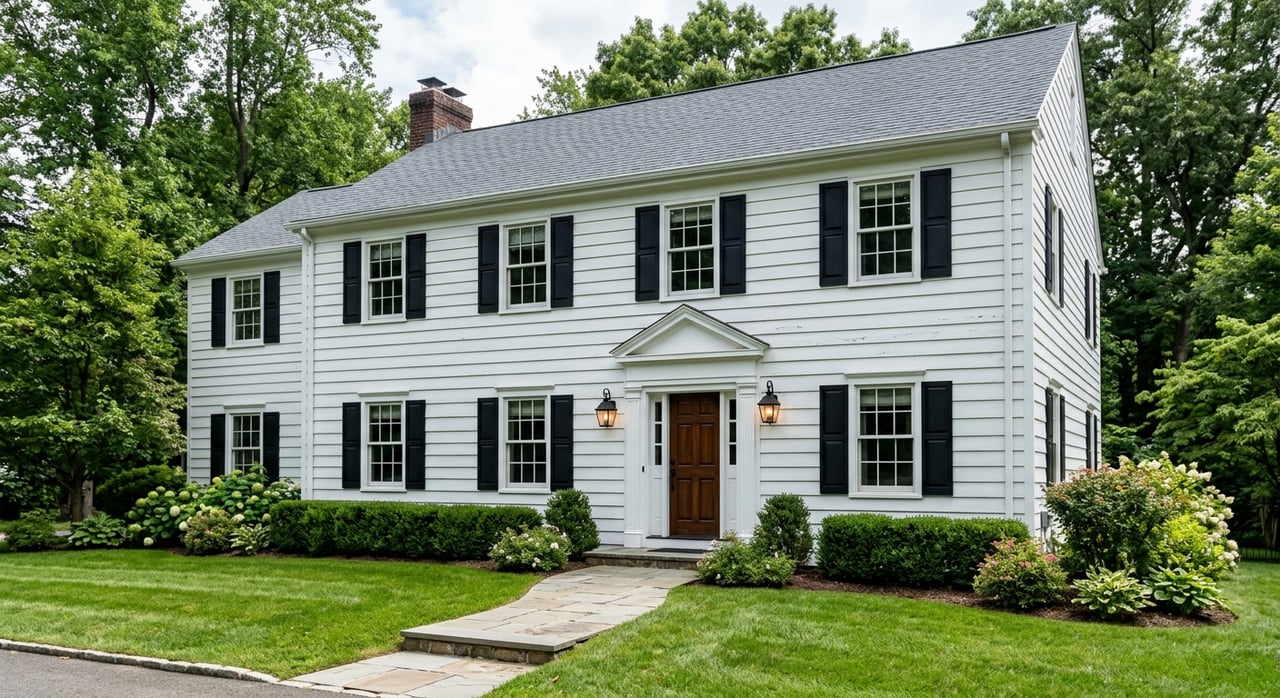
If you are thinking about selling in Winchester, one question matters more than almost any other: what should you fix before you list, and what should you leave alone? In a town where home values are high, many homes are older, and buyers still notice condition right away, smart pre-listing updates can shape both interest and offers. The key is not doing everything. It is doing the right things in the right order. Let’s dive in.
Why pre-listing updates matter in Winchester
Winchester is a high-value, owner-occupied market. The U.S. Census Bureau estimates a 2024 population of 23,953, an owner-occupied housing rate of 83.4%, a median household income of $218,176, and a median owner-occupied home value of $1,181,700. That tells you something important as a seller: buyers in this market are often paying close attention to condition, presentation, and overall fit.
Market activity also points to a competitive environment where first impressions count. In March 2026, Realtor.com reported 41 homes for sale, a median listing price of about $1.85 million, and a median of 20 days on market. Redfin reported a median sale price of $1.375 million, 27 median days on market, and about four offers on average. The exact numbers vary by source, but the pattern is clear: Winchester remains a premium market where move-in-ready homes tend to stand out.
Winchester’s housing stock also shapes what sellers should do before listing. Town planning materials note that neighborhoods were largely built out by 1940, that 79% of housing units are single-family homes, and that fewer than 3.5% of homes were built after 2000. Many properties offer strong character and craftsmanship, but older homes can also come with outdated systems, deferred maintenance, or features that feel less current to today’s buyers.
Focus on move-in-ready appeal
For most Winchester sellers, the safest pre-listing investment is not a major reinvention. It is a targeted plan that makes your home feel well cared for, visually consistent, and easy for buyers to say yes to. In this market, reducing buyer uncertainty often matters more than adding a highly personal luxury feature.
Recent national remodeling data supports that approach. In the 2025 Remodeling Impact Report, estimated resale cost recovery was strongest for projects like a new steel front door, closet renovation, new fiberglass front door, new vinyl or wood windows, and finished lower-level or attic living areas. Kitchen and bath improvements also showed value, but the strongest signals often came from updates buyers notice quickly and understand easily.
That is why visible, high-touch improvements tend to make the most sense before listing. Think fresh paint, refinished or updated flooring, better lighting, improved hardware, organized storage, and a clean, polished front entry. These updates help your home photograph better, show better, and feel easier to maintain.
Start with repairs, not cosmetics
Before you choose paint colors or shop for light fixtures, start with a repair and risk audit. This step helps you separate true value-building work from cosmetic projects that look good but leave bigger issues unresolved. Buyers may forgive dated finishes more easily than they forgive signs of deferred maintenance.
Your early review should include:
- Roof condition
- Moisture or drainage concerns
- HVAC age and performance
- Plumbing and electrical issues
- Window failures or drafts
- Peeling paint
- General code or safety concerns
In an older housing market like Winchester, this step is especially important. If your home has strong bones and character, pre-listing preparation should support those strengths, not distract from unresolved problems.
Put your budget where buyers notice it first
Once repairs are addressed, the next dollars usually work hardest in the most visible spaces. According to the remodeling report, REALTORS® most often recommended painting the entire home, painting one room, and replacing roofing before listing. That aligns with a simple truth: buyers react quickly to what they see first.
In Winchester, smart early-spend categories often include:
- Front entry improvements
- Interior paint in simple, neutral tones
- Floor refinishing or replacement where needed
- Updated lighting
- New or coordinated hardware
- Closet and storage improvements
- Minor kitchen and bath refreshes
You do not need a full custom renovation to create impact. Often, a home feels dramatically more current when surfaces are clean, finishes are cohesive, and the layout reads clearly in person and in photos.
Use staging to support buyer perception
Staging is not just about decor. It helps buyers understand scale, flow, and function. In the 2025 Profile of Home Staging, 83% of buyers’ agents said staging made it easier for buyers to picture a property as a future home. The same report found that 49% of sellers’ agents said staging reduced time on market, and 29% said it increased the dollar value offered by 1% to 10%.
The rooms that tend to matter most are the ones buyers judge first. The report found that the most commonly staged rooms were:
- Living room
- Primary bedroom
- Dining room
- Kitchen
That staging pattern makes sense in Winchester. The town includes a mix of households, including both those seeking more space and those looking to simplify. Clean layouts, less visual clutter, and appropriately scaled furniture can help a wider set of buyers understand how the home may work for them.
Be careful not to over-improve
In a high-value town, it can be tempting to assume that more renovation always leads to a better outcome. That is not always true. Winchester’s planning materials note a long-term pattern of older homes being replaced with much larger and more expensive properties. That trend is different from preparing an existing home for sale.
For most sellers, the goal is to bring the home up to neighborhood expectations, not to create the most expensive version of the property on the block. If you overspend on highly customized upgrades just before listing, you may not recover that investment. A pre-listing strategy should support marketability, not turn into a personal rebuild.
A good rule of thumb is simple: improve what buyers will question, refresh what buyers will notice, and stop before the work becomes too specific to your own taste.
Preserve original character where it adds value
Winchester’s historic development pattern matters here too. The town’s Historical Commission materials point to 1940 as a meaningful cutoff, noting that many pre-war homes were custom built and that historic neighborhoods were substantially complete by then. In practical terms, that means original details may still be an asset.
If your home has well-kept trim, doors, built-ins, or other period features, preservation may be the smarter move than replacement. Buyers often respond well to homes that feel both cared for and authentic. The goal is balance: preserve details that add charm and quality, while refreshing the areas that make the home feel clean, functional, and ready for today.
Understand permits and compliance early
Pre-listing work gets more complicated when sellers leave compliance questions until the last minute. Winchester’s Building Department reviews plans, issues permits, inspects altered buildings, and administers the town’s zoning bylaw along with plumbing, gas, electrical, and other codes. That means even seemingly straightforward work may require planning.
Massachusetts also has clear rules for licensed work. Plumbing and electrical jobs must be performed by properly licensed professionals. Contractors working on owner-occupied one- to four-unit homes generally must be registered as Home Improvement Contractors, and some structural work can require a Construction Supervisor License.
Lead safety is another major consideration in older homes. For homes built before 1978, Massachusetts says that renovation, repair, and painting done for a fee that disturbs more than 6 square feet of interior painted surface per room or more than 20 square feet of exterior painted surface must be handled by a lead-safe renovation contractor. If you are planning painting, window work, or exterior repairs, it is worth identifying that issue from the start.
A practical pre-listing plan for Winchester sellers
If you want a simple way to think about the process, use this framework:
Step 1: Audit condition and risk
Look first at maintenance, safety, and systems. If a buyer sees signs of water, aging mechanicals, or unfinished repairs, cosmetic work may not carry the impact you want.
Step 2: Refresh the visible basics
Focus on paint, floors, lighting, hardware, storage, and curb appeal. These updates tend to make a home feel cleaner, brighter, and easier to understand.
Step 3: Stage the key rooms
Prioritize the living room, primary bedroom, dining room, and kitchen. Those spaces often shape the emotional response buyers have during a showing and in online photos.
Step 4: Finish before launch
Do not rush to market with half-completed work. Repairs, styling, and staging should be complete before photography so your online presentation matches the in-person experience.
Step 5: Match the market
Keep the scope aligned with what nearby Winchester homes are offering. The goal is to compete well, not to outbuild the neighborhood.
Step 6: Coordinate the moving parts
A pre-listing plan may involve contractors, permits, staging, photography, and timing. When those pieces are managed as one process, it is easier to stay on budget and keep the focus on likely buyer payoff.
The best renovation strategy is usually the clearest one
In Winchester, the strongest pre-listing strategy is often the most disciplined one. You do not need to transform your home into something unrecognizable. You need to help buyers see a home that feels cared for, functional, and ready for its next chapter.
That usually means fixing what could raise doubts, polishing what creates first impressions, and preserving what gives the home its lasting character. If you want a plan that balances presentation, budget, and timing, Kim Covino & Co can help you map out the right next steps before your home hits the market.
FAQs
What pre-listing renovations matter most for Winchester sellers?
- The most useful updates are usually visible, practical improvements like fresh paint, flooring, lighting, hardware, entry repairs, storage improvements, and minor kitchen or bath refreshes.
Should Winchester homeowners do a full remodel before selling?
- Usually, no. In many cases, it makes more sense to bring your home up to neighborhood standards and reduce buyer concerns than to take on a large, highly customized renovation.
How important is staging for a Winchester home sale?
- Staging can be very helpful because it makes rooms easier to understand and can support stronger buyer perception, especially in the living room, primary bedroom, dining room, and kitchen.
Do Winchester sellers need permits for pre-listing work?
- Some projects do require permits or licensed professionals. Winchester’s Building Department oversees permits, inspections, zoning, and code administration, so it is smart to confirm requirements early.
What should sellers know about lead-safe renovation in older Winchester homes?
- For homes built before 1978, certain paid renovation, repair, and painting work that disturbs painted surfaces must be done by a lead-safe renovation contractor under Massachusetts rules.
How can Winchester sellers avoid overspending before listing?
- Focus first on repairs, then on visible updates that improve first impressions, and keep the scope aligned with local comparable homes rather than treating the project like a full rebuild.