If you want a Boston neighborhood that feels both scenic and rooted in history, the Charlestown Navy Yard stands out right away. You are not just choosing a place near the water. You are choosing a setting shaped by harbor views, preserved shipyard buildings, public open space, and quick access to downtown. If you are considering a move to 02129, this guide will help you understand what daily life near the Charlestown Navy Yard can actually look like. Let’s dive in.
Why the Charlestown Navy Yard Feels Distinct
The Charlestown Navy Yard sits on Boston’s Inner Harbor, where the Charles and Mystic Rivers meet. It opened as a U.S. Navy yard in 1800 and operated for 174 years before transitioning into a mix of national-park land, public space, homes, and businesses.
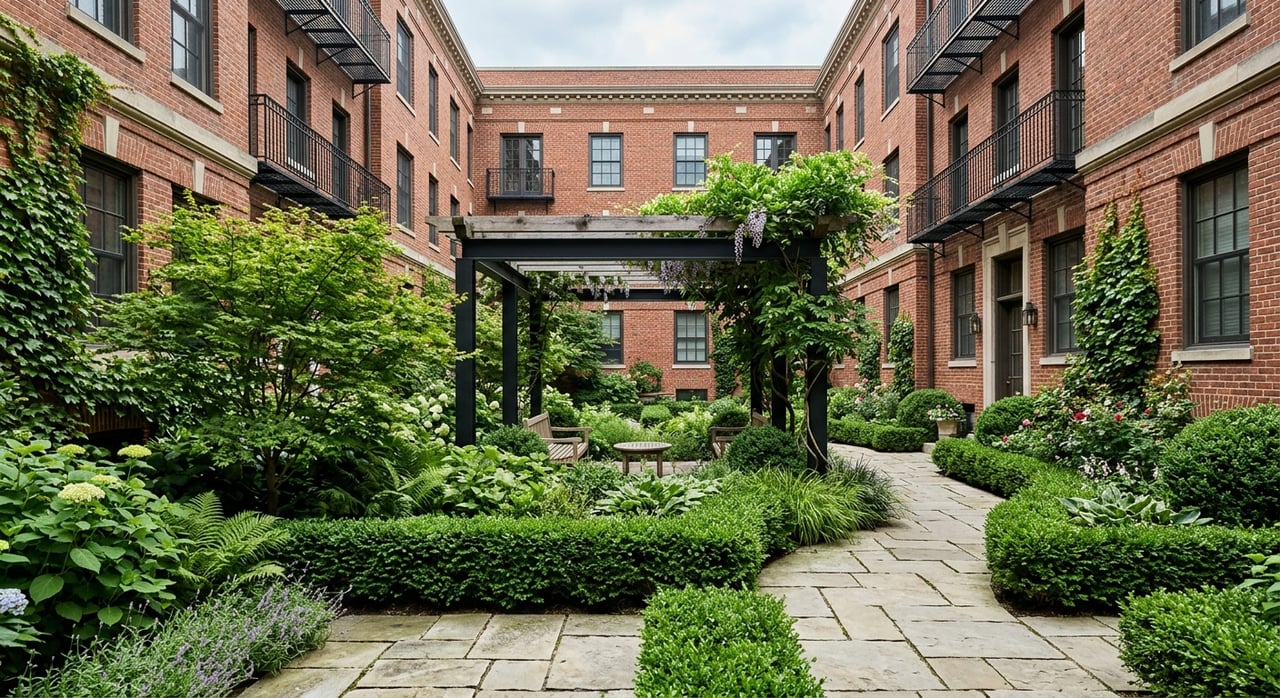
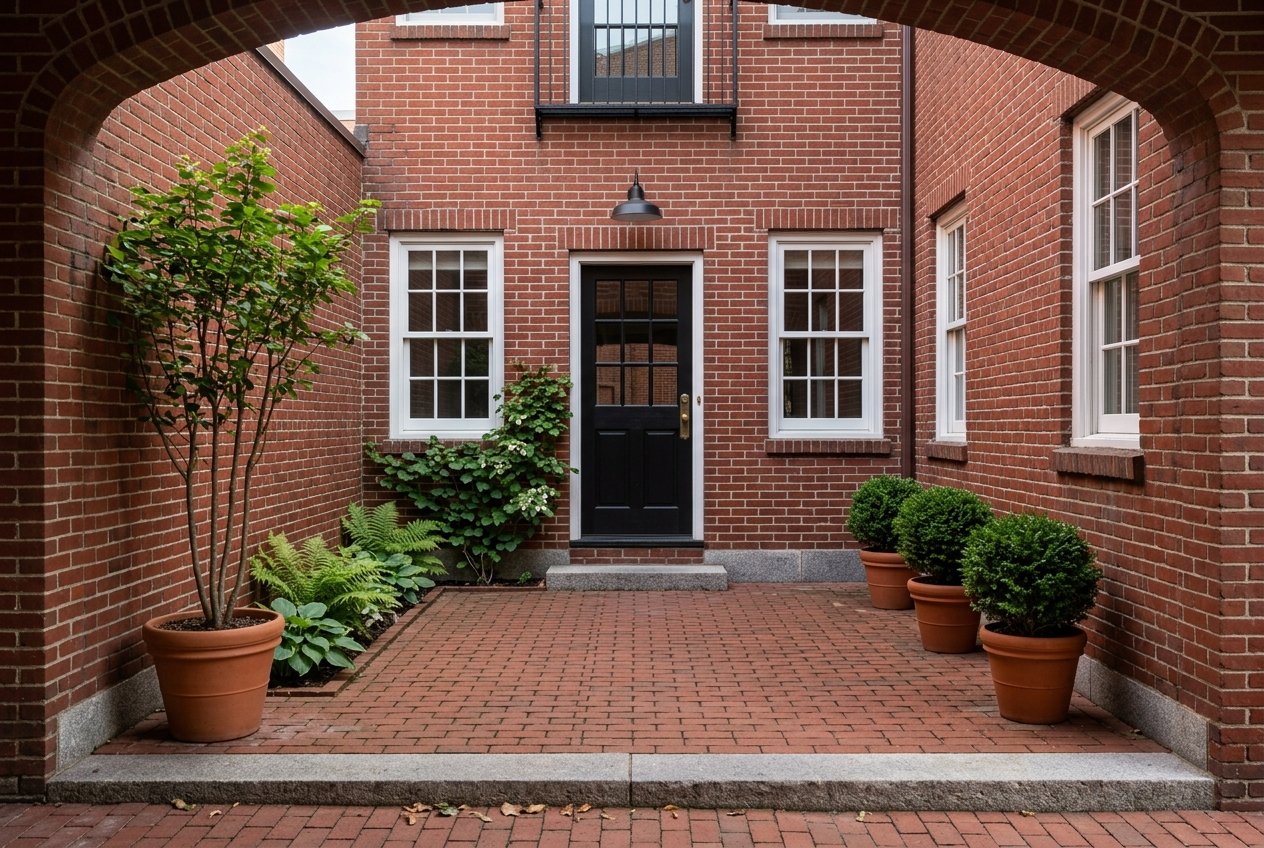
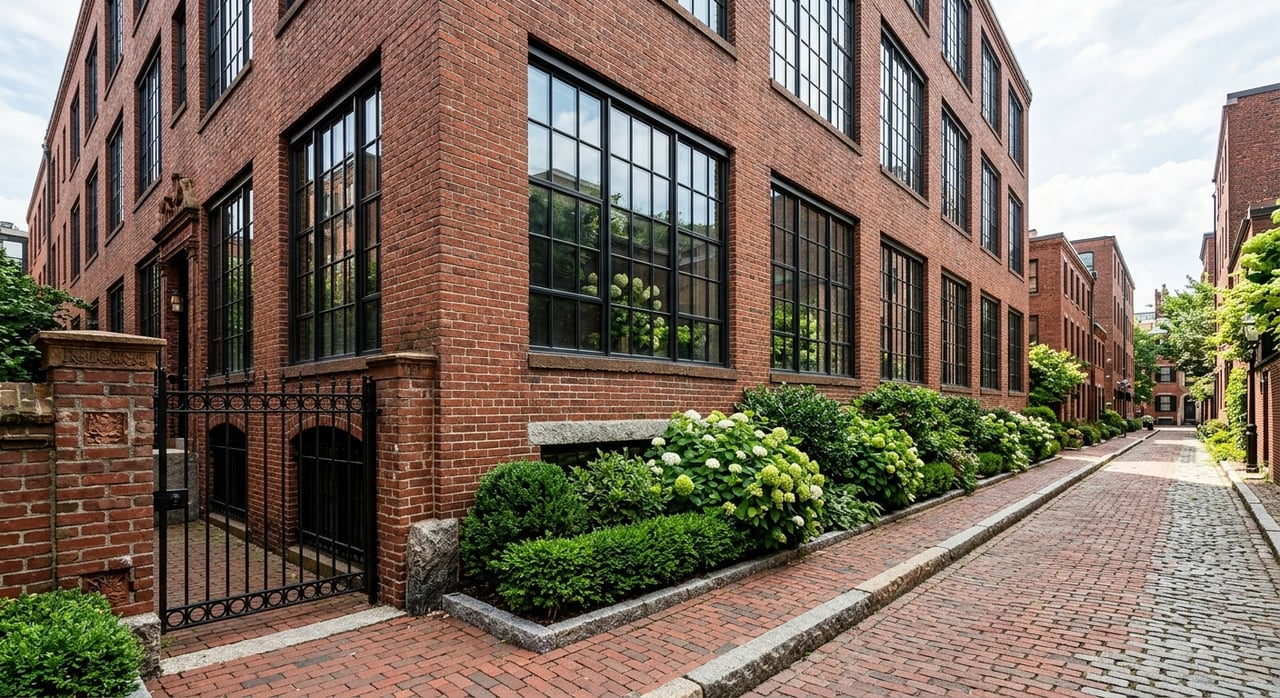
That history still shapes the area today. You can see it in the preserved brick structures, the docks, the ship exhibits, and the waterfront setting. The result is a neighborhood environment that feels different from many other parts of Boston.
A Waterfront Setting With Boston History
One of the biggest draws here is the combination of harbor access and historic identity. The area includes well-known landmarks such as USS Constitution, USS Cassin Young, Dry Dock 1, the Ropewalk, the Chain Forge, the Commandant’s House, and the Marine Barracks.
The Freedom Trail also connects the Navy Yard to the Bunker Hill Monument. That gives the area a strong sense of place, with ties to both Boston’s maritime past and its Revolutionary-era story.
For many buyers, this means your surroundings can feel visually rich and memorable. Waterfront views, historic buildings, and public landmarks all become part of the everyday backdrop.
How the Navy Yard Became Residential
The Navy Yard closed in 1974, and redevelopment followed a few years later. About 30 acres were set aside as part of Boston National Historical Park, while the remaining land moved into private ownership.
In 1978, officials divided the former yard into four parcels to preserve historic resources, reserve park space, and allow commercial development. That planning framework helped create the blend you see today.
Some parts of the area were preserved with strict exterior protections, while interiors could be renovated for new uses. Other sections became parkland, and some remained open to further development with fewer preservation limits.
This approach helped create residential opportunities through adaptive reuse, which means older historic buildings were converted for modern living. Boston Landmarks Commission materials note, for example, that the Ropewalk and Tarring House project created 90 residential units and was completed in 2021.
What Daily Life Looks Like
Life near the Charlestown Navy Yard often centers on walking, the waterfront, and easy connections. The neighborhood’s public realm includes Shipyard Park, Piers 3 and 4, Dry Dock 2, the Korean War Memorial, and access along the water’s edge.
That means a simple walk can feel like part of your routine, not just something you do on weekends. Whether you are heading out for fresh air, meeting someone for dinner, or taking in harbor views, the setting supports a pedestrian-friendly lifestyle.
The Boston Harborwalk is a major part of that experience. Harborwalk materials describe it as a nearly 40-mile public waterfront walkway that connects people to Boston Harbor and the city’s open-space network.
In practical terms, that adds more than scenery. It supports daily movement, public access, and a stronger connection to the waterfront.
Walking and Open Space Near Home
If outdoor access matters to you, this area has clear appeal. Public amenities tied to the Harborwalk network include seating, cafes, exhibits, interpretive signage, and water transportation facilities.
The neighborhood also benefits from ongoing planning work intended to complete a missing Harborwalk section in Charlestown. The goal is to improve connectivity and support public waterfront access.
For residents, that points to a setting where the public realm remains an important part of neighborhood life. It is one reason the Navy Yard often feels open and connected despite being in the city.
Getting to Downtown Boston
The Navy Yard is especially appealing if you want a neighborhood that feels tucked away but still connected. According to National Park Service directions, the standard subway route is the Green Line or Orange Line to North Station.
From North Station, it is about a 15-minute walk over the Charlestown Bridge and down Constitution Road into the Yard. North Station is also the closest commuter rail stop.
That setup can work well if you want access to central Boston without living in the middle of its busiest areas. You have options for commuting and city access while still returning to a more waterfront-oriented environment.
Ferry Access Adds Convenience
One of the area’s standout features is ferry service. The Charlestown Navy Yard Ferry runs from Long Wharf near the New England Aquarium and Marriott Long Wharf seven days a week, pending weather.
The ride is about 10 minutes to Pier 4. Weekday rush-hour service runs every 15 minutes, while off-peak and weekend service runs every 30 minutes.
For many buyers, that is more than a novelty. It is a practical transportation option that also reinforces the area’s harbor-based lifestyle.
Bus and Driving Options
The 93 bus serves the Constitution Road stop, which adds another transit option for local travel. For drivers, validated parking is available at the Nautica Parking Garage, which is a short walk from the Navy Yard.
Even so, the area’s layout and transit options support a less car-dependent routine than some other neighborhoods. If walkability and transportation flexibility are priorities, that can be a meaningful advantage.
Dining and Nearby Routine
The Navy Yard also supports an easy local routine when it comes to dining. Pier 6 describes itself as a waterfront restaurant at the marina end of 8th Street with harbor and skyline views.
Dovetail operates at 1 6th Street in Charlestown, and Brewer’s Fork is nearby on Moulton Street. Together, these nearby options help support the kind of after-work or weekend rhythm many buyers look for in an urban neighborhood.
You may find that convenience matters as much as destination appeal. Being able to walk to a meal, enjoy the waterfront, and stay within your immediate area can shape how livable a neighborhood feels day to day.
Why Buyers Are Drawn Here
For buyers considering Charlestown, the Navy Yard offers a specific mix that is not easy to replicate. You get a residential setting created through historic preservation and redevelopment, combined with direct water access and relatively quick routes into downtown.
That combination can appeal to a range of buyers, including those looking for a condominium, those relocating within Boston, and those who want a neighborhood with strong visual character. The area’s identity is tied to both place and experience.
In simple terms, life here often means harbor views, walkable routines, historic surroundings, and practical access to the city. That is the lifestyle story that consistently stands out.
What to Keep in Mind
Like any neighborhood, the Navy Yard is best understood in person. Street layout, building style, public spaces, and transportation routes all influence how the area feels from one block to the next.
If you are comparing Charlestown with other Boston neighborhoods, it helps to focus on your daily priorities. Think about how much you value waterfront access, ferry service, walking routes, and the character that comes from adaptive reuse and preserved historic buildings.
Those details often shape whether a neighborhood feels like a fit. In the Navy Yard, they are central to the experience.
If you are exploring Charlestown or weighing a move within the Boston area, Kim Covino & Co can help you evaluate neighborhood fit, compare residential options, and navigate your next move with clear, local guidance.
FAQs
What is the Charlestown Navy Yard in Boston?
- The Charlestown Navy Yard is a waterfront area in Charlestown on Boston’s Inner Harbor that began as a U.S. Navy yard in 1800 and now includes preserved historic sites, park space, homes, and businesses.
What is it like living near the Charlestown Navy Yard?
- Living near the Charlestown Navy Yard often means access to harbor views, walking routes, public open space, historic landmarks, dining nearby, and convenient connections to downtown Boston.
How do you get from the Charlestown Navy Yard to downtown Boston?
- You can reach downtown Boston from the Charlestown Navy Yard by walking to or from North Station, taking the ferry to Long Wharf, or using local bus service such as the 93 bus.
Is the Charlestown Navy Yard walkable?
- Yes. The area includes parts of the Boston Harborwalk, public waterfront access, parks, piers, and walking connections to places like the Bunker Hill Monument.
Are there homes and condominiums in the Charlestown Navy Yard?
- Yes. Official planning and preservation materials describe residential development and adaptive reuse in the Navy Yard, including condominium and other residential units created in former historic buildings.
What landmarks are near the Charlestown Navy Yard?
- Key landmarks near or within the Charlestown Navy Yard include USS Constitution, USS Cassin Young, Dry Dock 1, the Ropewalk, the Chain Forge, the Commandant’s House, the Marine Barracks, and the Bunker Hill Monument via the Freedom Trail.